
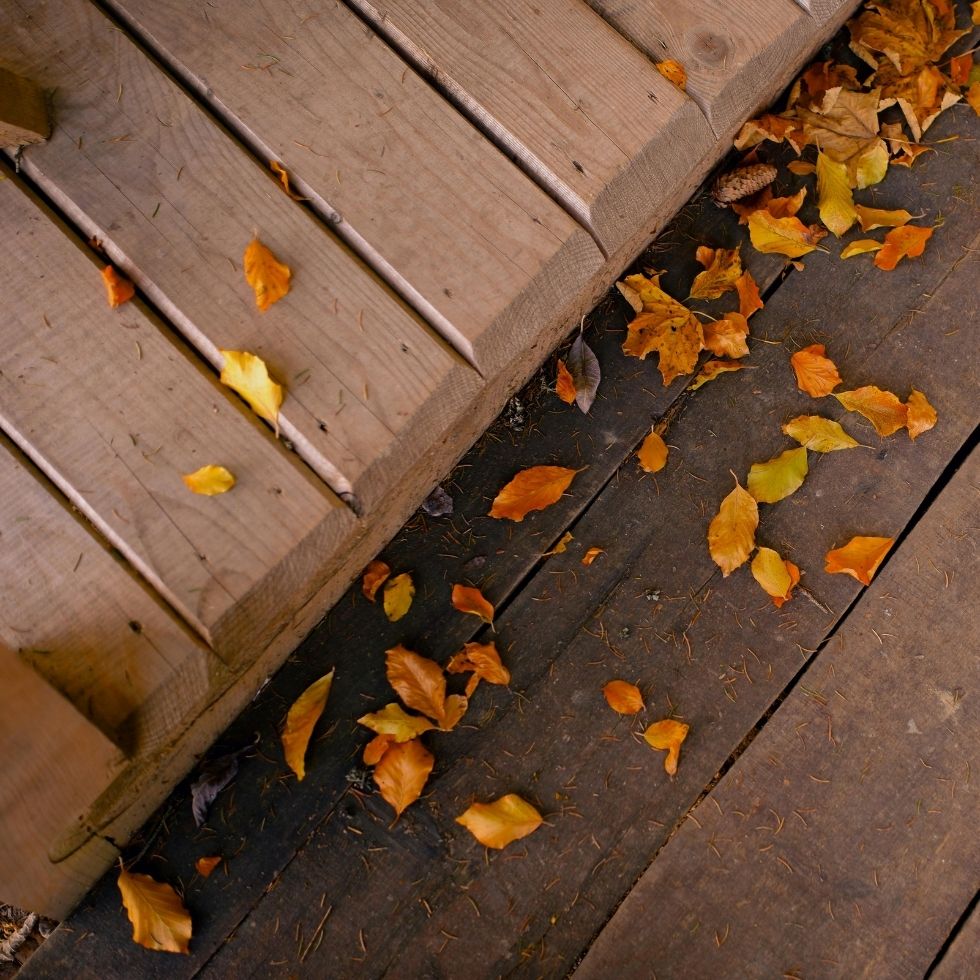
Why Autumn Is the Best Time to Oil Your Deck Before Winter
After a long New Zealand summer, your timber deck has likely taken a beating. Strong UV, hot temperatures, and regular use can leave timber looking dry, faded, or worn. As autumn arrives and the weather begins to cool, it’s the perfect time to restore and protect your deck before winter’s rain and damp conditions set in.
Applying a quality timber oil helps nourish the wood, enhance its natural appearance, and provide the protection it needs to handle the colder months ahead.
Here’s why autumn is the ideal time to give your deck some attention.
Summer Can Be Tough on Timber
 New Zealand’s sun is particularly harsh on exposed timber. Over the warmer months, UV rays can dry out wood fibres, causing decks to lose their colour and natural oils. You might notice your deck beginning to look dull, grey, or slightly rough underfoot.
High foot traffic during summer barbecues, outdoor gatherings, and general use can also accelerate wear. Dirt, food spills, and moisture can slowly work their way into the timber surface.
By autumn, many decks are ready for maintenance.
Why Autumn Weather Is Ideal for Oiling Timber
Autumn offers some of the best conditions for applying timber oil. Cooler temperatures and milder sunlight allow the oil to penetrate the wood more effectively without drying too quickly.
When timber oil is applied during very hot weather, it can evaporate faster than intended, reducing its ability to soak deeply into the wood.
Products like Osmo Decking Oil are designed to penetrate the timber surface and provide long-lasting outdoor protection. These oils create a microporous finish that allows the wood to breathe while helping repel water and dirt.
Protecting Your Deck Before Winter Rain
Winter in many parts of New Zealand brings increased rain, dampness, and cooler temperatures. If timber isn’t properly protected, moisture can penetrate the surface and potentially lead to swelling, mould growth, or surface damage over time.
A high-quality decking oil helps form a protective barrier that reduces water penetration while still allowing the timber to breathe.
For decks in areas that stay damp or get slippery in winter, a top coat of Osmo Anti-Slip Decking Oil can also help improve grip on timber steps or high-traffic deck areas while maintaining a natural timber look.
Signs Your Deck May Need Oiling
If you’re unsure whether your deck needs attention, look for these indicators:
- The timber appears faded or grey
- Water soaks quickly into the surface instead of beading
- The wood feels rough or dry
- The finish looks patchy or uneven
If you notice any of these signs, it’s a good time to clean and re-oil your deck.
Preparing Your Deck for Oil
 Proper preparation ensures the oil penetrates evenly and delivers the best possible result. Follow these steps:
- Clear and clean the deck thoroughly — remove any sand, dust, leaves, and debris by sweeping the garden deck thoroughly.
- Restore greyed timber if needed — apply Osmo Wood Reviver Power-Gel to refresh faded or greyed wood and bring back its natural colour. Rinse as instructed.
- Allow the timber to dry fully — give the deck at least 48 hours to dry completely after the gel treatment.
- Lightly sand if required — if the wood is still rough or heavily weathered, lightly sand the surface to smooth fibres and improve oil absorption.
Using proper brushes like an Osmo Brush or decking applicator ensures even application and reduces streaks.
Applying Deck Oil the Right Way
 When applying timber oil, follow the product instructions and work in manageable sections.
Use a brush, decking applicator, or roller to apply oil evenly along the direction of the timber grain.
Thin, even coats generally provide better results than heavy coats.
Exterior finishes such as Osmo UV Protection Oil are also ideal for vertical timber surfaces like cladding, pergolas, and screens, helping slow UV greying while maintaining a natural timber appearance.
Allow the oil to dry fully before walking on the deck or returning furniture.
Simple Deck Maintenance Through Winter
Once your deck has been treated, ongoing maintenance through winter is simple.
- Quick sweeps remove leaves and debris that can trap moisture.
- Clear surfaces reduce mould or algae build-up.
With a properly applied oil finish, timber remains water-repellent and weather resistant while still allowing the wood to breathe.
A Small Job That Makes a Big Difference

Maintaining your deck doesn’t need to be complicated, but timing can make all the difference. Autumn provides the perfect window to restore and protect timber before winter weather arrives.
A little maintenance now can help preserve the look, durability, and lifespan of your deck for seasons to come. With the right preparation, the right finish, and the right accessories, your outdoor space will stay looking great long after summer has ended.